Gand Mool Nakshatra Shanti Puja in Bangalore | ₹11,000
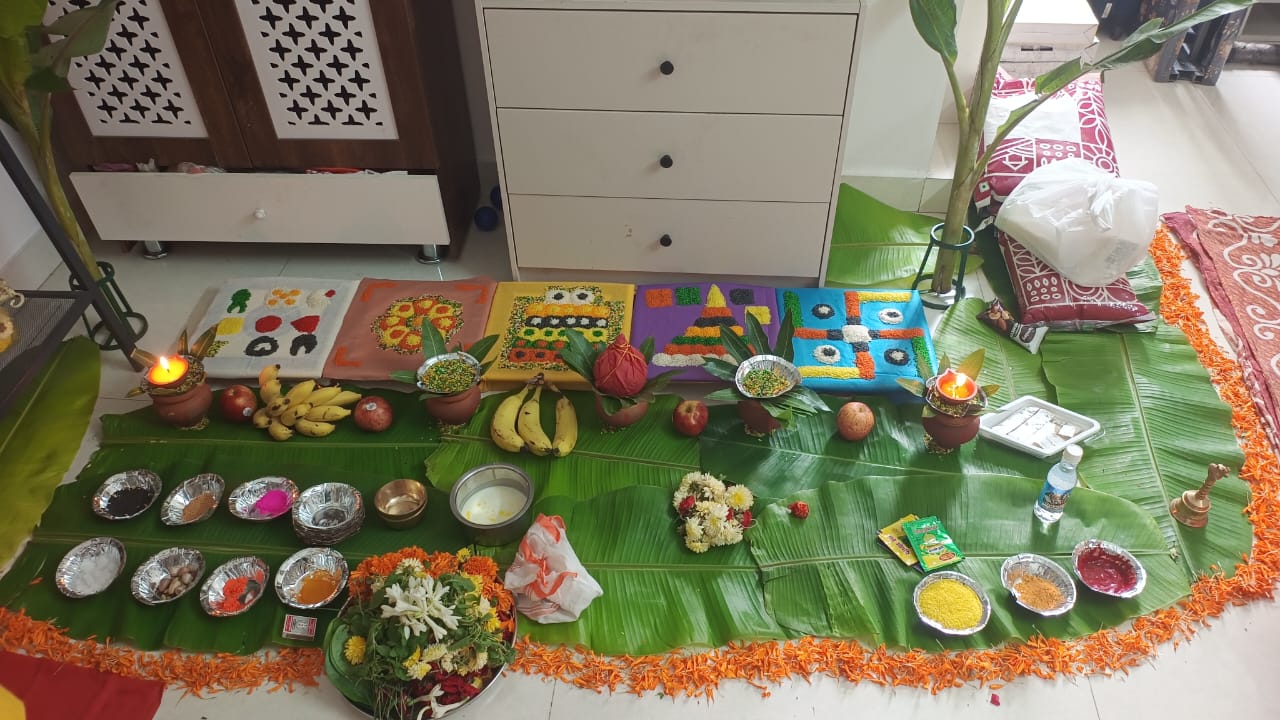
TL;DR: Pitradev arranges the complete Gand Mool Nakshatra Shanti Puja at your home in Bangalore at a fixed cost of ₹11,000, all inclusive. 2 to 3 purohits, approximately 4 to 5 hours. The ceremony includes Gauri Ganesh Puja, Navagraha Puja, Mool Nakshatra Puja, the 27-element ritual, Shanti Havan, and Daan of 28 grains. All puja samagri brought by the purohit. Kannada, Tamil, Telugu, and Hindi purohits available. Mention your language and sampradayam — we assign the right purohit.
Bangalore — Where Every 4th Baby Triggers This Search
Bangalore has the youngest average population among India’s major metros. The IT corridors of Whitefield, Electronic City, Marathahalli, and Sarjapur Road, and the rapidly growing residential belts of Yelahanka, Hennur, Hebbal, and KR Puram, are home to hundreds of thousands of young couples in their late 20s and early 30s — from Tamil Nadu, Andhra Pradesh, Telangana, Karnataka, and North India. The birth rate in these areas is among the highest in the city, and with approximately 1 in every 4 to 5 babies born falling in one of the 6 Gand Mool Nakshatras, the demand for the Shanti Puja in Bangalore is constant.
The challenge these families face is specific to Bangalore’s diversity. A Tamil Iyer family in Whitefield needs a Tamil Vadhyar who performs the Shanti Puja with the Tamil Agama vidhi and Mercury or Ketu mantras in the Tamil form. A Telugu family in Electronic City needs a Telugu Shashtri who follows the Andhra-Telangana tradition. A North Indian family in Marathahalli needs a Hindi pandit who performs the ceremony as it would be done in Lucknow or Patna. And a Kannada family in JP Nagar needs a Kannada purohit who follows the Karnataka Smartha or Madhwa tradition.
Finding a purohit who knows the complete Gand Mool Shanti Puja vidhi — not a simplified 1-hour version, but the full 4 to 5 hour ceremony with all 27 elements, the nakshatra-specific mantras, and the Shanti Havan — in the specific language and tradition the family follows, is the real difficulty. Generic pandit booking services assign whoever is available, regardless of whether the purohit knows the complete vidhi or follows the family’s sampradayam.
Pitradev solves this with dedicated purohits for every tradition in Bangalore. When you book, you specify your language and sampradayam, and we assign a purohit who performs the ceremony exactly as your family expects it.
Purohits Available for Every Tradition
Kannada Purohit
Kannada Smartha and Madhwa families have a specific Gand Mool Shanti vidhi that includes Punyahavachanam in the Kannada form, Navagraha worship as per the Karnataka tradition, and the Shanti Homam with Kannada-form mantras. The purohit guides the family in Kannada throughout the ceremony.
Tamil Vadhyar
Tamil Iyer and Iyengar families follow the Tamil Agama tradition for the Shanti Puja. The sankalpam includes the gothra in the Tamil pronunciation, the Navagraha worship follows the Tamil sequence, and the Shanti Homam uses Tamil-form mantras. For Iyer families, the specific sub-sect (Vadama, Brahacharanam, Vathima, Ashtasahasram) is accommodated. For Iyengar families, both Vadagalai and Thenkalai traditions are covered. For the complete range of Tamil Vadhyar services in Bangalore, visit our master page.
Telugu Shashtri
Telugu families from Andhra Pradesh and Telangana follow the Andhra-Telangana sampradaya. The sankalpam references, the Navagraha worship sequence, and the mantra forms are specific to the Telugu tradition. The purohit guides the family in Telugu.
North Indian / Hindi Pandit
Families from Uttar Pradesh, Bihar, Delhi-NCR, Rajasthan, Madhya Pradesh, and Jharkhand follow the North Indian vidhi. The ceremony includes Swasti Punyavachan, Navagraha Havan, and the Shanti Havan in the North Indian form. For North Indian pandit services in Bangalore, visit our dedicated page.
All 4 traditions perform the same core ceremony — the difference is in the mantra form, the sankalpam structure, and the language of guidance. The ₹11,000 price is the same regardless of language or tradition.
The Complete Puja — What Is Included in ₹11,000
The Gand Mool Nakshatra Shanti Puja in Bangalore costs ₹11,000, all inclusive. Fixed price — no variable costs, no additional dakshina requests, no “premium” charges for specific nakshatras or padas.
Duration: Approximately 4 to 5 hours.
Purohits: 2 to 3 experienced purohits.
Dakshina: Included in the ₹11,000. No additional dakshina is asked.
The Ceremony — Step by Step
Gauri Ganesh Puja — Goddess Gauri and Lord Ganesha are invoked for the successful completion of the ceremony and removal of all obstacles.
Lakshmi Puja — Goddess Lakshmi is worshipped for the prosperity and wellbeing of the child.
Vishnu Puja — Lord Vishnu is worshipped as the preserver, seeking his protection over the child’s life.
Kalash Puja — The sacred kalash is established, representing the presence of all divine energies.
Navagraha Puja — All 9 planets are worshipped. The ruling planet of the baby’s specific nakshatra receives special attention — Ketu for babies born in Ashwini, Magha, or Moola, and Mercury for babies born in Ashlesha, Jyeshtha, or Revati.
Kul Devta / Kul Devi Puja — The family’s clan deity is worshipped, seeking ancestral blessings for the newborn.
Rudra Puja and Punyavachanam — Lord Shiva as Rudra is worshipped for protection, and the Punyavachanam sanctifies the ceremony space.
Mool Nakshatra Puja — The core of the ceremony. The purohit performs the specific worship of the 3 devatas associated with the baby’s birth nakshatra — the Pradhan Devta, the Aadhi Devta, and the Pratyadhi Devata. The mantras are specific to the nakshatra — Ashwini Kumara mantras for Ashwini, Naga mantras for Ashlesha, Pitri mantras for Magha, Indra mantras for Jyeshtha, Nirriti mantras for Moola, and Pushan mantras for Revati.
The 27-Element Ritual — 27 types of well water, 27 types of soil, and 27 types of leaves are used. Each represents one of the 27 nakshatras. This ritual harmonises the baby’s birth nakshatra with all other nakshatras in the zodiac.
Gold and Silver Reflection — The baby’s reflection is shown in gold and silver items, symbolising prosperity and purity.
Shanti Havan — The sacred fire ceremony. Offerings of ghee, samagri, and nakshatra-specific herbs are made into the fire with Vedic mantras.
Daan of 28 Types of Grains — 28 different grains are donated, representing abundance.
Ashirvaad — The purohit formally blesses the baby and the family.
When to Perform — The 27th Day and Beyond
The ideal day is the 27th day after the baby’s birth — the day the Moon returns to the same nakshatra. Contact Pitradev as soon as possible after the baby’s birth — ideally within the first week — so the purohit can confirm the nakshatra, the pada, and the exact 27th day.
If you miss the 27th day: The puja is fully valid when performed on the 27th month, or on any later auspicious muhurat. Many Bangalore families discover their baby’s Gand Mool status after the 27th day has passed — sometimes weeks or months later when a family astrologer reviews the kundali. Do not let the missed date become a reason to skip the ceremony.
For adults: Adults born in a Gand Mool nakshatra who never had the Shanti Puja performed in infancy can have it done at any age at the same ₹11,000 cost.
Performing the Puja in Bangalore Apartments
Space needed: Approximately 8 by 8 feet of clear floor space. Most living rooms in 2 BHK and 3 BHK Bangalore apartments accommodate this comfortably. Whitefield and Electronic City apartments, with their typically larger floor plans, are especially well-suited.
Havan in apartments. The Shanti Havan is essential and cannot be skipped. The purohits use controlled samagri to minimise smoke. The havan takes approximately 30 to 40 minutes within the total 4 to 5 hour ceremony. If your society has strict fire rules, the havan kund can be moved to the balcony — the mandal and other rituals remain in the living room. Most Bangalore societies are accommodating.
Whitefield societies like Prestige Shantiniketan and Brigade Lakefront have well-maintained common areas where the havan can be performed if the apartment balcony is too small. Electronic City societies like Prestige Lakeside Habitat and Purva Fountain Square similarly have puja-friendly common spaces. The purohit coordinates with building management if needed.
The baby during the ceremony. The baby does not need to be awake or present for the entire 4 to 5 hours. The baby is brought to the mandal at specific moments — during the Sankalp, during the Mool Nakshatra Puja, and during the Ashirvaad. For the rest, the baby can rest in another room with the mother or a family member.
Guests. Most families keep the Gand Mool Shanti Puja as a close-family ceremony with 10 to 15 people. It is not typically a large gathering. Close family and grandparents (if visiting from the hometown) are usually sufficient.
Areas We Serve in Bangalore
Pitradev arranges the Gand Mool Shanti Puja across all Bangalore areas with no area surcharge:
Whitefield — Bangalore’s largest IT hub. Prestige Shantiniketan, Brigade Lakefront, Godrej Splendour, Prestige Lakeside Habitat. Highest demand for the Shanti Puja given the large young population across Tamil, Telugu, Kannada, and North Indian communities.
Electronic City — Infosys, Wipro, TCS corridor. Prestige Lakeside Habitat, Purva Fountain Square, Shriram Chirping Woods, Concorde Manhattans. Strong demand from Tamil and Telugu families.
Sarjapur Road — Fastest growing residential corridor. Prestige Kew Gardens, Sobha Dream Acres, Brigade Cornerstone Utopia. Young families, many first-time parents.
Marathahalli and Bellandur — Central IT corridor. Prestige Tranquility, Mantri Alpyne, Sobha Silicon Oasis. Mix of all language communities.
HSR Layout and Koramangala — South Bangalore, established residential areas. Strong demand from both old residents and new IT professionals.
Yelahanka, Hennur, and Hebbal — North Bangalore growth corridor. New projects attracting young families. Godrej Reflections, Prestige Lake Ridge, Brigade Northridge.
JP Nagar, Jayanagar, and Bannerghatta Road — Traditional South Bangalore. Established Kannada and Tamil communities with strong preference for traditional vidhi.
Indiranagar, Domlur, Rajajinagar, Malleshwaram, Basavanagudi — Central and West Bangalore.
KR Puram, Mahadevapura, Hoodi, Kadugodi — Eastern corridor near Whitefield.
All other Bangalore areas are also covered. No area surcharge.
What Parents in Bangalore Should Know
The 27th day often falls on a weekday. Unlike Grihapravesham where you choose a convenient weekend, the 27th day falls when it falls. If it is a Monday or a Thursday, the puja happens that day. Purohits are available on all weekdays. Many Bangalore IT professionals take a half-day or work from home on the 27th day.
Parents flying in from the hometown. Many families time the grandparents’ visit to coincide with the 27th day. If parents are flying into Bangalore, the ceremony location matters. Whitefield and Marathahalli apartments are approximately 2 hours from the airport. Yelahanka and Hennur apartments are 30 to 45 minutes. Plan accordingly and book the purohit first, then the flights.
Do not wait for the 27th day to contact us. The most common mistake Bangalore families make is calling Pitradev on the 24th or 25th day — by which time the purohit’s schedule may already be full. Contact us within the first week after birth. We confirm the 27th day immediately and block the purohit’s schedule.
The ₹11,000 is the same regardless of nakshatra, pada, or language. Whether your baby is born in Moola 1st pada (the most feared) or Revati 4th pada (the mildest), whether the ceremony is in Kannada or Tamil or Hindi — the puja, the vidhi, and the price are the same.
Bangalore’s diversity is our strength. Unlike cities where most families follow one tradition, Bangalore has Tamil, Telugu, Kannada, Hindi, Malayalam, and Bengali families living in the same apartment complex. We have purohits for every major tradition, so the family next door booking a Kannada Shanti Puja and the family on the floor above booking a Tamil Shanti Puja both get purohits who follow their specific sampradayam.
How to Book Gand Mool Shanti Puja in Bangalore
- Contact Pitradev on WhatsApp or phone — 9686645737 or 7829965737
- Share the baby’s exact date and time of birth
- Mention your language — Kannada, Tamil, Telugu, or Hindi — and your sampradayam if applicable (Iyer/Iyengar sub-sect, Smartha/Madhwa, etc.)
- The purohit confirms the nakshatra, the pada, and the 27th day
- Confirm your Bangalore address (society name and flat number)
- Receive the detailed household items checklist on WhatsApp
- On the 27th day, 2 to 3 purohits arrive at your home with all samagri
Contact within the first week after birth. The 27th day arrives faster than you expect.
Conclusion
Bangalore’s young, diverse population means that hundreds of babies are born in Gand Mool Nakshatras every month across the city — in Tamil families in Whitefield, Telugu families in Electronic City, Kannada families in JP Nagar, and North Indian families in Marathahalli. For each of these families, the Gand Mool Nakshatra Shanti Puja is the ceremony that harmonises the nakshatra’s energy and blesses the child with the protection of the presiding deities.
Pitradev arranges this ceremony at your Bangalore home with the full vidhi, all 27 elements, the correct nakshatra-specific mantras, and the Shanti Havan — in Kannada, Tamil, Telugu, or Hindi, as your family follows. ₹11,000, all inclusive. No shortened version. No hidden charges. No variable pricing by nakshatra or language.
For the complete list of all pandit services in Bangalore, visit our Pandit in Bangalore page. To understand what Gand Mool Nakshatra means and why the Shanti Puja is recommended, read our detailed parent’s guide.
Your baby deserves the full ceremony — in your language, in your tradition, at your home.
Frequently Asked Questions
Shashank Mishra comes with over 15 years of experience in religious tourism and organising Vedic rituals and ancestral ceremonies. At Pitradev, he oversees the coordination of Asthi Visarjan, Pind Daan, Shraadh, Grihapravesh, Vastu Shanti Puja, Satyanarayan Katha, Rudrabhishek, and other sacred rites across Varanasi, Prayagraj, Gaya, Bangalore, Hyderabad, Pune, and Mumbai.
Latest Blog
- Best Pandit in Pune — How to Choose the Right One
- Gand Mool Nakshatra Shanti Puja in Bangalore | ₹11,000
- Pandit Charges in Pune 2027 — Complete Price List
- Gand Mool Nakshatra Shanti Puja in Pune | ₹11,000
- What Is Gand Mool Nakshatra — A Guide for Parents
- North Indian Pandit in Baner Balewadi Pune | ₹3,500
- Baby Born in Moola Nakshatra — Effects and Shanti Puja
- North Indian Pandit in Kharadi Pune for All Pujas
- Tamil Vadhyar in Whitefield Bangalore | From ₹4,500
- North Indian Pandit in Whitefield Bangalore | ₹3,500
- Bhoomi Pujan in Bangalore 2027 | Book from ₹5,100
- 3-Day Pind Daan in Gaya 2027 — All 45 Vedis | ₹25,000
- Same Day Asthi Visarjan in Varanasi 2027 | ₹2,000
- North Indian Pandit in Wakad for All Pujas | ₹3500
- Online Pind Daan in Gaya | Private Puja ₹11,000
- Online Pind Daan in Varanasi | From ₹3,000 – Pitradev
- Can Women Perform Pind Daan in Varanasi?
- Tamil Vadhyar in Bangalore | Book Tamil Iyer Purohit
- Satyanarayana Vratam in Bangalore | Telugu Purohit ₹5100
- Satyanarayana Pooja in Bangalore | Kannada Purohit ₹5100
- Annaprashan in Pune | First Rice Feeding Ceremony ₹4500
- Namkaran Sanskar in Pune | Baby Naming Ceremony ₹5100
- North Indian Pandit in Hinjewadi for All Pujas
- North Indian Pandit in Pimpri-Chinchwad
- Pind Daan in Gaya by Odia Pandit | Odia Shraddha Paddhati
- Vastu Shanti Puja in Pune | 6 Mandals, 2 Pandits | ₹15000
- Gaya Pind Daan vs Varanasi Pind Daan
- Satyanarayan Katha in Pune by North Indian Pandit
- Odia Pandit Prayagraj | Asthi Bisarjan & Pind Daan Same Day
- How to Book Asthi Visarjan in Kashi Online
- Book Pandit Services Online A Complete Step by Step Guide
- Book Verified Pandit Ji in Bangalore for Any Puja Easy Guide
- How to Book a Vastu Pujan Griha Pravesh Puja for Your New Home
- How to Book Pind Daan in Gaya Online Complete Guide
- Pind Daan in Varanasi After Pitru Paksha
- Pind Daan for Dogs in Varanasi: Complete Rituals at Kashi
- Things To Know Before Booking A Pandit for Satyanarayan Puja
- How To Choose Right Muhurat for Griha Pravesh for Your New Home
- 7 Key Rituals and Stages of Pind Daan in Gaya
- Gand Mool Nakshatra Shanti Puja: Complete Process
- Grihapravesh Muhurat in November and December 2026
- Asthi Visarjan in Varanasi for Pets: Dogs And Cats
- Pind Daan in Varanasi: Guide to Ritual, Process, Cost, Booking
- Mistakes to Avoid During Asthi Visarjan in Varanasi
- How to book satyanarayn puja
- Verified South Indian Purohits in Gaya
- Samvatsarikam in Varanasi: Cost and Vidhi
- Best South Indian Purohits in Kashi Varanasi
- Pind Daan in Varanasi by Telugu Purohit
- Telugu Purohit in Gaya: Pind Daan Packages
- Tripindi Shraadh in Gaya
- Pitradev- Hindi, Tamil, Telugu & Bengali Pandit in Bangalore
- Narayan Bali Puja in Gaya
- Can I Do Pind Daan Within One Year of Death?
- One Day Narayan Bali Puja at Trimbakeshwar
- Asthi Visarjan at Manikarnika Ghat in Kashi Varanasi
- Cost of Asthi Visarjan in Varanasi: Packages and Precautions
- Pandit for Tripindi Shradh in Varanasi: 2026 Dates & Cost
- Pind Daan in Gaya in Pitru Paksha 2026: Dates and Packages
- Vastu Shanti Puja Cost in Pune by North Indian Pandit
- Pitra Dosh: Causes, Symptoms and Remedies — A Complete Guide
- How to Find Genuine Tamil Vadhyars in Kashi Varanasi
- How to Carry Asthi in Flight in India?
- Pind Daan in Gaya by Tamil Iyer: Cost, Packages and Process
- Asthi Visarjan in Srirangapatna from Bangalore — Full Guide
- Send Ashes from Coimbatore to Kashi — Asthi Visarjan Service
- Cost of Asthi Visarjan in Prayagraj by Telugu Pandit
- Asthi Visarjan and Pind Daan in Prayagraj for Odia Families
- North Indian Pandit Bangalore for Annaprashan Puja
- Telugu Grihapravesham Bangalore: 4 Packages Cost & Inclusion
- Cost of Tripindi Shraadh in Varanasi -Pishachmochan Kund
- North Indian Pandit in Pune for Grihapravesh: Package Guide
- Pind Daan in Prayagraj: Cost, Vidhi & Booking Guide-2026
- Narayan Bali Puja in Varanasi — Complete Cost Breakdown for 2026
- Book a Verified North Indian Pandit in Pune: Cost & Packages
- How to Send Asthi to Kashi: A Step-by-Step Guide
- Book Tamil Iyer in Bangalore for Grihapravesham – Complete Guide
- How to Plan 10th 11th and 12th Day Rituals in Varanasi
- Pitru Paksha 2026 – Pind Daan in Prayagraj, Kashi and Gaya
- Pitru Paksha 2026 – Book Online Pind Daan in Varanasi
- Asthi Visarjan in Varanasi for Tamil Families – Complete Guide
- How to Send Asthi (Ashes) from USA to India – Complete Guide
- Narayan Bali Puja in Varanasi – Complete Guide 2026
- Pind Daan in Gaya from Malaysia – Complete Guide
- Pind Pradanam in Varanasi from Malaysia – Complete Guide
- Grihapravesh Puja in Bangalore by Kannada Purohit
- Online Pind Daan in Varanasi for NRIs
- Book Verified Telugu Purohits in Bangalore for Grihapravesham
- Best Ghat for Asthi Visarjan in Varanasi: A Practical Comparison
- Asthi Visarjan in Prayagraj – Complete Guide 2026
- Tripindi Shradh in Varanasi – Complete Guide
- Asthi Visarjan in Varanasi –Best Ghat & Package 2026
- Grihapravesh Puja in Prestige City Sarjapur
- Gaya Ji Pind Daan 2026 – Quick Guide for Planning Your Trip
- Online Puja Booking for Griha Pravesh, Shradh & Satyanarayan
- Pitru Paksha 2026 Dates, Rituals and Pind Daan Guide
- Akshaya Tritiya 2026 (19 April): Best Muhurat for Griha Pravesh
- How to Do Asthi Visarjan When You Cannot Travel: Complete Guide
- Asthi Visarjan in Kashi: Complete Guide with Cost & Time
- Griha Pravesh Muhurat 2026: Auspicious Dates & Timings
- Complete Guide to Gaya Pind Daan Ritual, Samagri & Best Time
- Asthi Visarjan By Post in Kashi Varanasi – Complete Guide
- How to Book a Bengali Pandit for Puja: Step-by-Step Process
- Book Verified Pandit for Puja in Bangalore
- Book Verified North Indian Pandit in Hyderabad Online
- Book North Indian Pandit in Bangalore for Satyanarayan Puja
- How to Book a Pandit in Bangalore Online for Puja:Complete Guide
- Find and Book Pandits in Hyderabad for Griha Pravesh Puja Online
- How to Find and Book Experienced Pandit Online for Puja?
- Exploring the History and Origins of Griha Pravesh Puja Rituals
- Top 5 Ancient Places for Gayaji Pind Daan - 2024 Guide
- Significance of Performing Griha Pravesh Puja in Hindu Culture
- How to Choose the Right Pandit for Pind Daan in Gaya
- Why is Pind Daan in Gaya so Famous?
- Where to Find Experienced Pandit for Griha Pravesh Puja Online?
- Cost of Pind Daan in Gaya: Packages, Procedure and How to Book
- Griha Pravesh Puja and Housewarming Ceremony 2024
- How Gaya Pind Daan Brings Closure and Peace to Your Ancestors
- Gayaji Pind Daan: Achieve Eternal Peace for Your Ancestors
- Online Pind daan: Importance, Cost, and Procedure
- Gaya Pind Daan Puja is Performed by an Experienced Pandit ji
- The Sacred Ritual of Brahma Kapal Pind Daan
- A Complete Guide About Pind Daan in India: Update 2023
- Unveiling the Significance of Pind Daan in Gaya
- The Ultimate Guide to Pind Daan Tour Packages
- Where to do Asthi Visarjan in Haridwar?
- Rudrabhishek Pooja Why Hindus Perform Rudrabhishek pooja At home
- Varanasi's Asthi Visarjan: Embracing Life's Eternal Journey
- Unveiling the Sacred Ritual:
- Significance of Asthi Visarjan in Haridwar
- Exploring the Profound Significance of Asthi Visarjan in Kashi
- The Science of Pind Daan:
- What are the rituals of Pind Daan?
- Varanasi Ayodhya Tour Package with Prayagraj
- Pind Daan Puja in Varanasi | Book Your Puja Online
- Prayagraj: The Enchanting Journey of Asthi Visarjan
- Pind Daan Gaya : When and Where to Do Pind Daan in Gayaji
- Exploring the Mystical Rituals of Asthi Visarjan Poojan
- Which are the Best Places to do Pind Daan in Gaya?
- Everything You Need to Know About Rudrabhishek Puja
- Why Is Pind Daan At Gaya Important To Hindus?
- Asthi Visarjan: When to Perform It, Where to Go, and Cost
- Rudra Abhishek Puja's Purpose:
- Ganga Pushkaralu 2023
- Pind daan for people having unnatural deaths
- Is doing pind daan beneficial without self presence of related?