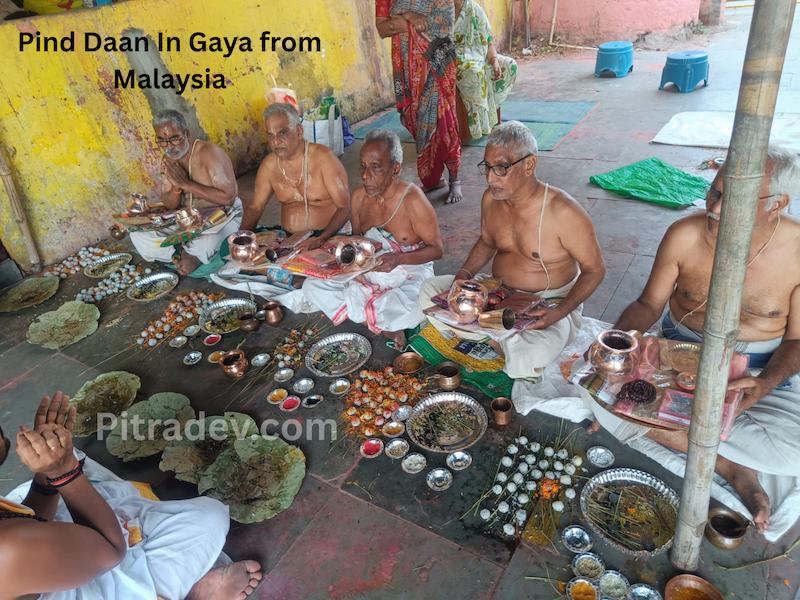
Pind Daan in Gaya from Malaysia – Complete Guide
For Tamil Hindu families living in Malaysia, performing Pind Daan in Gaya is considered one of the most important spiritual responsibilities toward ancestors. Many families grow up hearing from elders that while rituals can be performed in different places, Gaya holds a unique and final importance in the entire process of Shradh.
Even today, families from Malaysia travel to Gaya to complete this ritual with devotion. However, along with this intention, there are many practical concerns—how to plan the journey, which places to visit, what the process is, how long it takes, and how to ensure everything is done correctly. This guide is written to give you complete clarity in a simple and practical manner so that you can perform Pind Daan in Gaya without confusion.
Why Gaya is Considered the Most Important Place for Pind Daan
Gaya is not just another pilgrimage destination. It is considered the most important place for performing Pind Daan because of its deep connection with Lord Vishnu. The presence of the sacred Vishnupad Temple, where the footprint of Lord Vishnu is worshipped, makes this place unique. It is believed that performing Pind Daan in Gaya gives deep satisfaction to ancestors and helps them attain peace. Because of this, many families consider Gaya as the final and most important destination for ancestral rites.
Families who perform rituals in Prayagraj and Varanasi often complete the final Shradh in Gaya, as it is believed to complete the entire cycle of ancestral offerings.
Understanding Pind Daan in Gaya
Pind Daan is the ritual of offering pindas, which are rice balls prepared using rice flour, sesame seeds, ghee, and other sacred ingredients. These are offered with mantras while remembering ancestors. For Tamil families, this ritual is not only scriptural but also emotional. It is a way of expressing gratitude and fulfilling one’s duty towards parents, grandparents, and earlier generations.
In Gaya, the ritual is considered especially powerful because it is performed at specific sacred places, each of which has its own significance.
Perform Online Pind Daan in Gaya from Malaysia Without Traveling
Many families from Malaysia are not always able to travel due to personal or professional reasons. In such cases, Pind Daan can still be performed through a representative. A qualified priest can perform the ritual on your behalf by taking your name, gotra, and ancestor details during the Sankalp. This ensures that the ritual is properly connected to you and your family. In online Pind Daan, you need to share the names and gotra of all ancestors who are passed away in your family and we on your behalf perform the pind daana and share the photos and videos with you.
However, if possible, visiting Gaya in person is always a more fulfilling experience, as it allows you to directly participate in the ritual and connect emotionally with the process.
Best Time to Perform Pind Daan
Pind Daan in Gaya can be performed throughout the year, but choosing the right time makes the experience smoother and more meaningful.
The best option is to perform the ritual on the tithi of the ancestor, which is the lunar day on which they passed away. This creates a direct spiritual connection.
If the tithi is not known, Amavasya is considered a very good alternative, as it is dedicated to ancestors.
Pitru Paksha is the most powerful period for performing Pind Daan in Gaya, but it is also extremely crowded. For families traveling from Malaysia, especially with elderly members, this can become difficult. Check Pitrapaksh 2026 dates here
From a practical point of view, the best time to visit is between November and February. The weather is pleasant, and the crowd is manageable. Morning time, usually starting from around 7 AM, is considered best for performing the ritual.
Which Places to Perform Pind Daan in Gaya
One of the most important things to understand is that Pind Daan in Gaya is not limited to just one place. It is traditionally performed at multiple sacred locations, each of which has its own importance.
- The first and most important place is the Vishnupad Temple, where the footprint of Lord Vishnu is worshipped. This is considered the central place for performing Shradh and Pind Daan.
- The second important location is the Falgu River, where offerings are made along with tarpan. Even though the river may appear dry at times, it holds deep spiritual significance.
- The third place is the Akshay Vat tree, which is considered sacred and represents continuity and permanence. Offerings made here are believed to give lasting benefit to ancestors.
- In addition to these, there is another very important place known as Pretshila. This place holds special significance for those ancestors who have passed away due to unnatural causes, such as accidents or sudden deaths. Pind Daan performed at Pretshila is believed to help such souls attain peace and move forward.
Because each of these places has a different significance, many families choose to perform Pind Daan at multiple locations to ensure completeness.
How to Find the Right Priest for Pind Daan in Gaya
Choosing the right priest is very important, especially for families coming from Malaysia for the first time.
At the ritual locations, many people approach families offering services, but not all of them follow proper procedures. This can lead to confusion and incomplete rituals.
For Tamil families, language is also a major concern. Many families prefer priests who can communicate in Tamil and understand their traditions.
Priests can be arranged in Tamil, Telugu, and Hindi, depending on your preference. Most families from Malaysia specifically request Tamil priests. These priests often belong to traditional priestly families and have been performing Pind Daan for generations.
This ensures that the ritual is done correctly and in a way that aligns with your family tradition.
Step-by-Step Process of Pind Daan in Gaya
On the day of the ritual, you will be asked to come in the morning, usually around 7 AM. Before coming, you should take a bath at your hotel and remain on fasting. You can take fruits, milk, or water if needed.
You should bring the names of your ancestors and one white dhoti. After reaching, you will change into the dhoti and begin the ritual.
The priest will guide you through Sankalp, where your name, gotra, and ancestor details are taken. You will then prepare pindas using rice flour.
You will offer these pindas one by one at the different sacred locations such as Vishnupad Temple, Falgu River, Akshay Vat, and if included, Pretshila.
After the offerings, tarpan is performed by offering water and sesame seeds to ancestors. Additional rituals such as daan and Sankalp-based Brahmin Bhojan may also be included depending on the package.
The entire process takes a few hours, especially when multiple locations are covered.
What Should You Carry from Malaysia
You do not need to carry any special items from Malaysia.
You only need:
- Names of ancestors
- One white dhoti
Everything else required for the ritual is arranged locally.
Cost of Pind Daan in Gaya
Understanding the cost helps families plan better and avoid confusion.
There are three commonly chosen options based on the number of locations covered.
- The first package includes Pind Daan at one place- Vishnupad Temple only, and the cost is ₹5000. This is suitable for families who want to perform the ritual at the main location. Book Now PindDaan at vishnupad temple
- The second package includes Pind Daan at three places—Vishnupad Temple, Falgu River, and Akshay Vat, and the cost is ₹7500. This is a more complete option and is commonly preferred. Book Now Pind daan in gaya at 3 places
- The third package includes Pind Daan at four places—Vishnupad Temple, Falgu River, Akshay Vat, and Pretshila, and the cost is ₹11000. This is the most comprehensive option and is especially recommended when performing rituals for ancestors who passed away under special circumstances. Book Now Pind daan in Gaya at 4 places
Final Thoughts
Pind Daan in Gaya is one of the most meaningful rituals a family can perform. For Tamil families in Malaysia, it is both a spiritual duty and an emotional connection with ancestors.
With proper planning, the right guidance, and clarity about the process, the entire journey becomes smooth and peaceful. It is always advisable to plan in advance so that everything is arranged properly and you can focus on the purpose of the ritual.
FAQs – Pind Daan in Gaya
Can women perform Pind Daan?
Yes, women can perform Pind Daan in Gaya, Varanasi, and Prayagraj. Many families where there are only daughters perform the ritual for their parents and grandparents.
Can I perform Pind Daan if someone passed away in the last one year?
No, you should first complete the annual Shradh (Barsi). After that, you can perform Pind Daan.
Can I do online Pind Daan from Malaysia?
Yes, a priest can perform the ritual on your behalf by acting as your representative.
What should I carry from Malaysia?
You only need to carry one white dhoti and the names of your ancestors.
How can I send asthi from Malaysia to Gaya?
You can send ashes through international courier services like USPS or other local courier providers.
Latest Blog
- Odia Pandit Prayagraj | Asthi Bisarjan & Pind Daan Same Day
- How to Book Asthi Visarjan in Kashi Online
- Book Pandit Services Online A Complete Step by Step Guide
- Book Verified Pandit Ji in Bangalore for Any Puja Easy Guide
- How to Book a Vastu Pujan Griha Pravesh Puja for Your New Home
- How to Book Pind Daan in Gaya Online Complete Guide
- Pind Daan in Varanasi After Pitru Paksha
- Pind Daan for Dogs in Varanasi: Complete Rituals at Kashi
- Things To Know Before Booking A Pandit for Satyanarayan Puja
- How To Choose Right Muhurat for Griha Pravesh for Your New Home
- 7 Key Rituals and Stages of Pind Daan in Gaya
- Gand Mool Nakshatra Shanti Puja: Complete Process
- Grihapravesh Muhurat in November and December 2026
- Asthi Visarjan in Varanasi for Pets: Dogs And Cats
- Pind Daan in Varanasi: Guide to Ritual, Process, Cost, Booking
- Mistakes to Avoid During Asthi Visarjan in Varanasi
- How to book satyanarayn puja
- Verified South Indian Purohits in Gaya
- Samvatsarikam in Varanasi: Cost and Vidhi
- Best South Indian Purohits in Kashi Varanasi
- Pind Daan in Varanasi by Telugu Purohit
- Telugu Purohit in Gaya: Pind Daan Packages
- Tripindi Shraadh in Gaya
- Pitradev- Hindi, Tamil, Telugu & Bengali Pandit in Bangalore
- Narayan Bali Puja in Gaya
- Can I Do Pind Daan Within One Year of Death?
- One Day Narayan Bali Puja at Trimbakeshwar
- Asthi Visarjan at Manikarnika Ghat in Kashi Varanasi
- Cost of Asthi Visarjan in Varanasi: Packages and Precautions
- Pandit for Tripindi Shradh in Varanasi: 2026 Dates & Cost
- Pind Daan in Gaya in Pitru Paksha 2026: Dates and Packages
- Vastu Shanti Puja Cost in Pune by North Indian Pandit
- Pitra Dosh: Causes, Symptoms and Remedies — A Complete Guide
- How to Find Genuine Tamil Vadhyars in Kashi Varanasi
- How to Carry Asthi in Flight in India?
- Pind Daan in Gaya by Tamil Iyer: Cost, Packages and Process
- Asthi Visarjan in Srirangapatna from Bangalore — Full Guide
- Send Ashes from Coimbatore to Kashi — Asthi Visarjan Service
- Cost of Asthi Visarjan in Prayagraj by Telugu Pandit
- Asthi Visarjan and Pind Daan in Prayagraj for Odia Families
- North Indian Pandit Bangalore for Annaprashan Puja
- Telugu Grihapravesham Bangalore: 4 Packages Cost & Inclusion
- Cost of Tripindi Shraadh in Varanasi -Pishachmochan Kund
- North Indian Pandit in Pune for Grihapravesh: Package Guide
- Pind Daan in Prayagraj: Cost, Vidhi & Booking Guide-2026
- Narayan Bali Puja in Varanasi — Complete Cost Breakdown for 2026
- Book a Verified North Indian Pandit in Pune: Cost & Packages
- How to Send Asthi to Kashi: A Step-by-Step Guide
- Book Tamil Iyer in Bangalore for Grihapravesham – Complete Guide
- How to Plan 10th 11th and 12th Day Rituals in Varanasi
- Pitru Paksha 2026 – Pind Daan in Prayagraj, Kashi and Gaya
- Pitru Paksha 2026 – Book Online Pind Daan in Varanasi
- Asthi Visarjan in Varanasi for Tamil Families – Complete Guide
- How to Send Asthi (Ashes) from USA to India – Complete Guide
- Narayan Bali Puja in Varanasi – Complete Guide 2026
- Pind Daan in Gaya from Malaysia – Complete Guide
- Pind Pradanam in Varanasi from Malaysia – Complete Guide
- Grihapravesh Puja in Bangalore by Kannada Purohit
- Online Pind Daan in Varanasi for NRIs
- Book Verified Telugu Purohits in Bangalore for Grihapravesham
- Best Ghat for Asthi Visarjan in Varanasi: A Practical Comparison
- Asthi Visarjan in Prayagraj – Complete Guide 2026
- Tripindi Shradh in Varanasi – Complete Guide
- Asthi Visarjan in Varanasi –Best Ghat & Package 2026
- Grihapravesh Puja in Prestige City Sarjapur
- Gaya Ji Pind Daan 2026 – Quick Guide for Planning Your Trip
- Online Puja Booking for Griha Pravesh, Shradh & Satyanarayan
- Pitru Paksha 2026 Dates, Rituals and Pind Daan Guide
- Akshaya Tritiya 2026 (19 April): Best Muhurat for Griha Pravesh
- North Indian Pandit in Bangalore for All Hindu Pujas
- How to Do Asthi Visarjan When You Cannot Travel: Complete Guide
- Asthi Visarjan in Kashi: Complete Guide with Cost & Time
- Griha Pravesh Muhurat 2026: Auspicious Dates & Timings
- Complete Guide to Gaya Pind Daan Ritual, Samagri & Best Time
- Asthi Visarjan By Post in Kashi Varanasi – Complete Guide
- How to Book a Bengali Pandit for Puja: Step-by-Step Process
- Book Verified Pandit for Puja in Bangalore
- Book Verified North Indian Pandit in Hyderabad Online
- Book North Indian Pandit in Bangalore for Satyanarayan Puja
- How to Book a Pandit in Bangalore Online for Puja:Complete Guide
- Find and Book Pandits in Hyderabad for Griha Pravesh Puja Online
- How to Find and Book Experienced Pandit Online for Puja?
- Exploring the History and Origins of Griha Pravesh Puja Rituals
- Top 5 Ancient Places for Gayaji Pind Daan - 2024 Guide
- Significance of Performing Griha Pravesh Puja in Hindu Culture
- How to Choose the Right Pandit for Pind Daan in Gaya
- Why is Pind Daan in Gaya so Famous?
- Where to Find Experienced Pandit for Griha Pravesh Puja Online?
- Cost of Pind Daan in Gaya: Packages, Procedure and How to Book
- Griha Pravesh Puja and Housewarming Ceremony 2024
- How Gaya Pind Daan Brings Closure and Peace to Your Ancestors
- Gayaji Pind Daan: Achieve Eternal Peace for Your Ancestors
- Online Pind daan: Importance, Cost, and Procedure
- Gaya Pind Daan Puja is Performed by an Experienced Pandit ji
- The Sacred Ritual of Brahma Kapal Pind Daan
- A Complete Guide About Pind Daan in India: Update 2023
- Unveiling the Significance of Pind Daan in Gaya
- The Ultimate Guide to Pind Daan Tour Packages
- Where to do Asthi Visarjan in Haridwar?
- Rudrabhishek Pooja Why Hindus Perform Rudrabhishek pooja At home
- Varanasi's Asthi Visarjan: Embracing Life's Eternal Journey
- Unveiling the Sacred Ritual:
- Significance of Asthi Visarjan in Haridwar
- Exploring the Profound Significance of Asthi Visarjan in Kashi
- The Science of Pind Daan:
- What are the rituals of Pind Daan?
- Varanasi Ayodhya Tour Package with Prayagraj
- Pind Daan Puja in Varanasi | Book Your Puja Online
- Prayagraj: The Enchanting Journey of Asthi Visarjan
- Pind Daan Gaya : When and Where to Do Pind Daan in Gayaji
- Exploring the Mystical Rituals of Asthi Visarjan Poojan
- Which are the Best Places to do Pind Daan in Gaya?
- Everything You Need to Know About Rudrabhishek Puja
- Why Is Pind Daan At Gaya Important To Hindus?
- Asthi Visarjan: When to Perform It, Where to Go, and Cost
- Rudra Abhishek Puja's Purpose:
- Ganga Pushkaralu 2023
- Pind daan for people having unnatural deaths
- Is doing pind daan beneficial without self presence of related?